Dubai Multi Commodities Centre · United Arab Emirates

Sourcing, shipping and delivering grains, cereals and legumes.

A physical trading house dealing principally in grains, cereals and legumes, with established experience across fertilisers, foodstuffs, solid fuels and energy products.

The company

A physical trading house based in Dubai.

A commodity contract is an undertaking about the future: that a stated quality, in a stated quantity, will be delivered to a named port on agreed terms. Inspection, documentation, freight and finance exist to make that undertaking hold when conditions change.

ANGITU DMCC is a physical trading house rather than a broker. We take title to the goods, carry the position, and remain responsible for the cargo from origin to discharge. Our principal business is grains, cereals and legumes — milling and feed wheat, corn, barley, sorghum, rice, chickpeas, lentils and peas — supplied to millers, feed compounders, packers and distributors.

The company was established by traders with long careers in physical energy. Crude and refined product trading set the standards we apply today: independent inspection, documentary credit handled precisely, laytime calculated accurately, and counterparties screened before commercial terms are discussed. Those activities remain on our licence, while agricultural commodities account for the majority of our trade.

We operate from Dubai because of its position relative to the routes we serve: Black Sea and Danube grain moving south and east, South American and North American cargoes crossing the Atlantic and the Cape, and Indian Ocean trade moving west. The working day overlaps with Chicago, Rotterdam, Singapore and the Arabian Gulf.

  • IWe contract only volumes we are able to source and ship.
  • IIEvery parcel is independently inspected at load and at discharge.
  • IIIPrice exposure is hedged on recognised futures exchanges.
  • IVCounterparties are screened before commercial terms are discussed.
250,000

MT of cargo contracted
each year

25+

Active trading
counterparties

16

Load and discharge
ports served

100%

Shipments under
third-party inspection

Business lines

What we trade

Grains, cereals and legumes account for the majority of our trade. We are also licensed for, and active in, the energy and industrial lines in which the company was founded.

Core business

Grains, cereals & legumes

Purchased at origin against a written specification — variety, protein, moisture, admixture, falling number and screenings — and supplied to millers, feed compounders, packers and distributors. Quality is contracted, certified by independent surveyors and evidenced by sealed retention samples. Parcels are shipped in bulk vessel lots or in containers, according to the discharge and storage facilities available to the buyer.

Cereals

  • Milling & feed wheat
  • Yellow & white corn
  • Feed barley · Sorghum
  • Rice — white & parboiled

Legumes & pulses

  • Chickpeas · Kabuli & desi
  • Red & green lentils
  • Yellow & green peas
  • Faba & broad beans

Oilseeds & meals

  • Soybean meal
  • Sunflower meal
  • Rapeseed meal
  • Wheat bran & pellets

Our other licensed activities

Held under our DMCC licence and traded alongside the agricultural book. Crude oil and refined products are traded on a principal-to-principal basis outside the United Arab Emirates.

01

Chemical fertilisers

Nitrogen and phosphate nutrients supplied to agricultural markets in bulk and in bags, under the same inspection and documentary standards as the agricultural book.

  • Urea — granular & prilled
  • DAP · MAP · NPK blends
  • Ammonium sulphate
  • Bulk and bagged

02

Foodstuff & beverages

Packaged and processed food lines for wholesale and institutional buyers, shipped in containers with temperature control and shelf life specified in the contract.

  • Sugar · Edible oils
  • Flour & milled products
  • Pulses in retail packing
  • Beverages

03

Coal, firewood, tar & asphalt

Solid fuels and bituminous products for industrial and construction buyers, supplied against certified calorific value, sizing or penetration grade.

  • Steam & industrial coal
  • Firewood & charcoal
  • Bitumen — penetration grades
  • Tar & asphalt products

04

Crude oil & refined products

Crude oil and refined product cargoes traded outside the United Arab Emirates on a principal-to-principal basis, under independent inspection and documentary credit.

  • Crude oil (outside the UAE)
  • Gasoil · Jet A-1 · Naphtha
  • Fuel oil & residues
  • Base oils

Freight and finance

Chartering and trade finance are handled internally rather than outsourced, so that a cargo is priced, fixed, insured and documented by the team that purchased it.

05 — Freight

Chartering & logistics

Handysize to Panamax tonnage on voyage and time charter, with container and breakbulk options for smaller parcels. Stowage, laytime and demurrage are administered internally and settled promptly.

  • Voyage & time charter
  • Container & breakbulk parcels
  • Stowage & load planning
  • Laytime, demurrage & despatch

06 — Risk

Trade finance & risk

Documentary credits, cargo and credit insurance, and price risk hedged on recognised futures exchanges, so that movements in the flat price do not affect our ability to perform.

  • Letters of credit & collections
  • Price risk & basis hedging
  • Cargo & credit insurance
  • Counterparty screening

Licence and jurisdiction

ANGITU DMCC is licensed by the Dubai Multi Commodities Centre and trades under the commercial law of the United Arab Emirates.

Background

Our story

The company was founded by energy traders and now trades principally in agricultural commodities. The products changed; the operating standards did not.

I

A background in physical energy

ANGITU’s founders spent their careers trading physical energy — crude oil and refined product cargoes, principal to principal, across the Arabian Gulf, the Mediterranean and East Africa. That trade sets exacting standards for inspection, documentary credit and counterparty risk.

II

Established in Dubai

Operations were consolidated in the Dubai Multi Commodities Centre. The location shortens the distance to buyers in the Levant, East Africa and South Asia, and places the desk within one working day of every market we trade.

III

Entry into agricultural trade

Agricultural commodities require the same disciplines as energy, applied to products that vary with each harvest. We expanded deliberately: a limited list of origins, specifications agreed before price, and independent surveyors appointed at both ends of the voyage from the first shipment.

IV

Activities retained

Fertilisers, foodstuff and beverages, solid fuels and bituminous products, and the crude and refined product business traded abroad all remain on our licence, under the same counterparty screening, inspection and documentary standards.

V

The business today

Agricultural commodities account for the majority of our trade. Positions are sized in line with our financing capacity, and the greater part of our volume is with counterparties who have traded with us before.

Execution

Operations

Every parcel follows the same sequence, whether it is a container of red lentils or a Handysize of milling wheat.

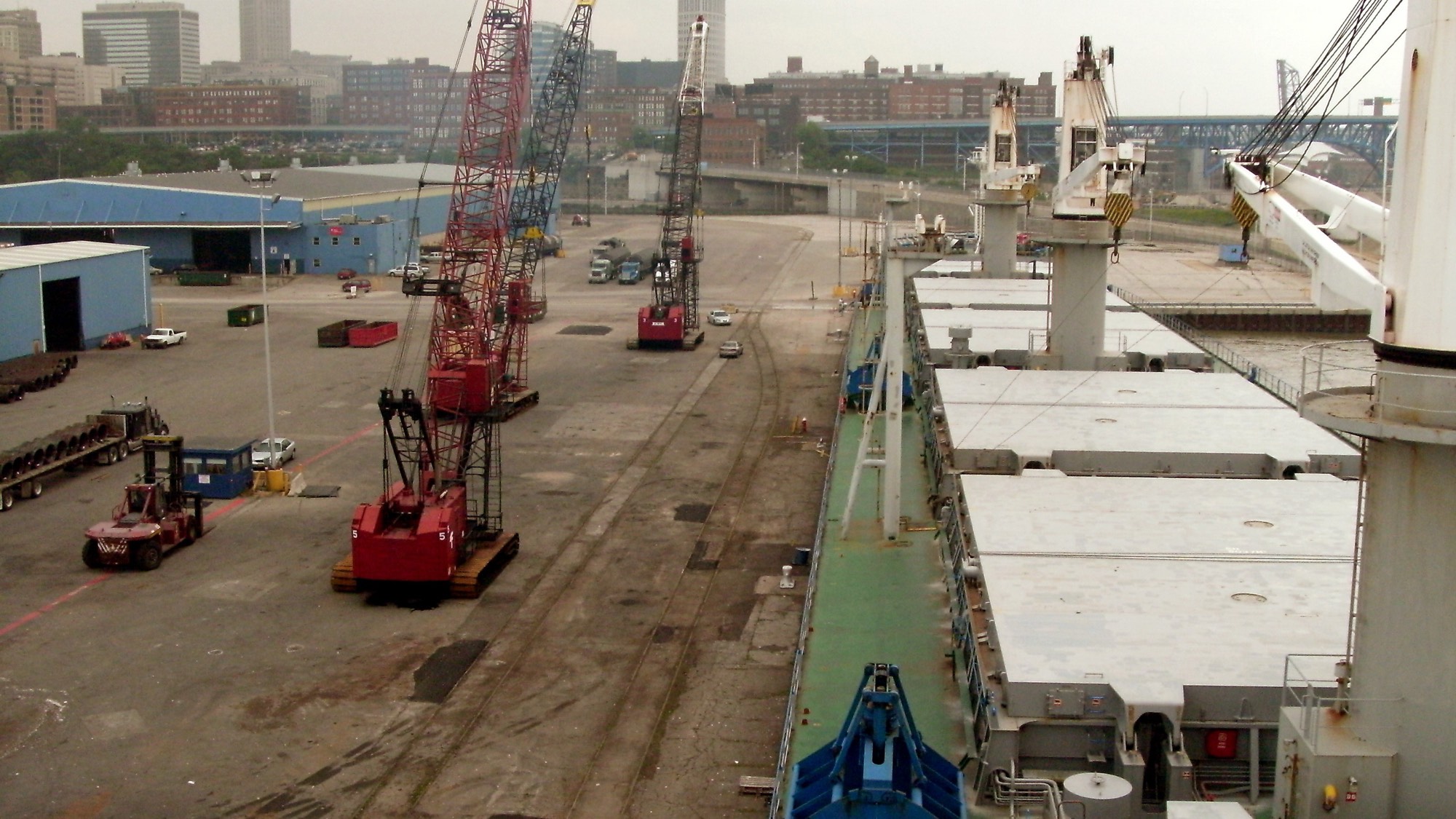
A bulk carrier alongside, hatch covers open and quayside cranes working the berth
Bulk carrier alongside · hatch covers and quayside cranes
  1. Origination

    Cargo is sourced at origin against a written specification — variety, protein, moisture, admixture, screenings, sizing or assay — from a supplier that has already been cleared.

  2. Contracting

    Terms are written to recognised standard forms — GAFTA and FOSFA for agricultural business, equivalent industry terms elsewhere — with quality, quantity, arbitration and force majeure agreed before any volume is committed.

  3. Quality & inspection

    Independent surveyors draw and seal samples at load and again at discharge. Certificates accompany the shipping documents, and any claim is assessed against that evidence.

  4. Freight & stowage

    Tonnage is selected to suit the parcel. Hold cleanliness, draught restrictions, load rates and laycan are verified against the terminal before the charter is concluded.

  5. Documents & finance

    Bills of lading, certificates of origin, phytosanitary and quality documents are prepared to the exact requirements of the credit, so that presentation is clean.

  6. Discharge & delivery

    Discharge is supervised, laytime is reconciled, and demurrage or despatch is calculated and settled without delay.

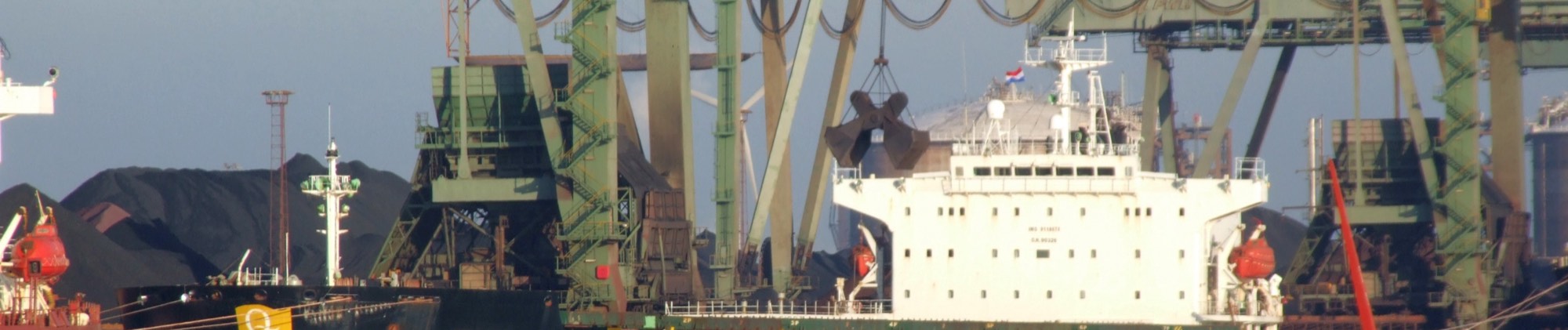
Gantry unloaders discharging dry bulk cargo into stockpiles at a deep-water terminal
Gantry unloaders and stockpiles · deep-water bulk terminal

Markets served

Global reach

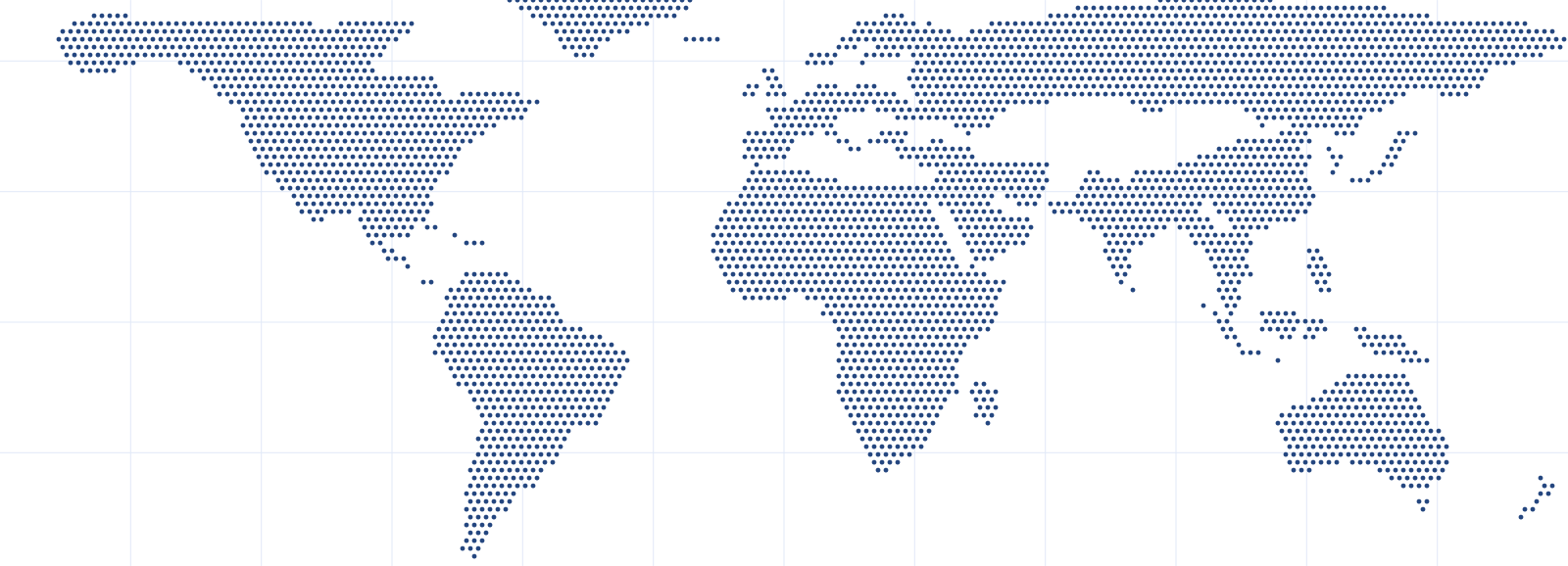
Dubai lies within one working day of every corridor we trade. The routes below are those we run most frequently — origins where we hold supply and destinations where we hold demand.

World map showing ANGITU’s principal trading corridors, centred on Dubai

Corridor 01

Black Sea & Danube

Milling and feed wheat, barley and corn from Romanian, Bulgarian and Georgian terminals into the Levant, Egypt and the Arabian Gulf.

Corridor 02

South America

Corn, soybean meal and pulses from Brazilian and Argentine up-river ports, moving to Mediterranean and Asian buyers.

Corridor 03

North America

US Gulf and Pacific Northwest grain loading for Latin American and Asian buyers.

Corridor 04

Indian Ocean & South Asia

Australian and Indian cereals moving west; South Asian pulses and rice into the Arabian Gulf and East Africa.

Corridor 05

East & Southern Africa

Grain, rice and fertiliser discharging at Mombasa, Dar es Salaam and Durban, with solid fuels and bituminous products on the return leg.

Corridor 06

Arabian Gulf & Levant

Distribution from UAE and Omani ports into Pakistan, Bangladesh, Jordan and the wider region, in vessel lots and containers.

Compliance

Standards & governance

Physical commodity trading is a licensed and closely inspected business. Compliance is handled as part of execution rather than as a separate function.

01

Licensing

ANGITU DMCC is registered and licensed in the Dubai Multi Commodities Centre free zone and trades under the commercial law of the United Arab Emirates.

02

Sanctions & KYC

Counterparties, vessels and beneficial owners are screened against the applicable sanctions lists before terms are exchanged, and screened again at fixture. Energy cargoes are subject to additional checks.

03

Contract standards

Agricultural business is written to GAFTA and FOSFA standard forms with defined arbitration. Fertiliser, fuel and product cargoes follow equivalent industry terms.

04

Independent inspection

Quality and quantity are certified by internationally recognised surveyors at both ends of the voyage, and retention samples are sealed and held for the contractual period.

05

Food safety

Holds and containers are inspected and certified clean before loading; phytosanitary, fumigation and origin documentation accompany every agricultural and foodstuff parcel.

06

Data protection

Personal data is handled in line with UAE Federal Decree-Law No. 45 of 2021 and applicable DMCC requirements. See our Privacy Policy.

Enquiries

Contact

Please provide the commodity, quantity, origin or destination and delivery period. We will respond with an indication and the terms required to firm it.

General & trade enquiries
info@angitu.me
Registered office
ANGITU DMCC
Unit No: BA1411
DMCC Business Centre
Level No 1
Jewellery & Gemplex 3
Dubai
United Arab Emirates
Hours
Sunday – Thursday, 09:00 – 18:00 GST